
When something goes wrong with your teeth, a chip, a crack, stubborn discolouration, or years of wear, two of the most effective restorative solutions your dentist may recommend are veneers and dental crowns. Both can dramatically transform your smile and protect your oral health, but they serve different purposes and work best in different situations.
Understanding the distinction between the two helps you walk into your dental consultation informed and confident. This guide breaks down how each treatment works, what problems each one solves, how they compare in durability and appearance, and which option makes the most sense for your specific dental needs.
Whether you’re a patient in the Lehigh Valley area exploring cosmetic and restorative dentistry for the first time or you’ve been weighing your options for a while, this comparison will give you the clarity you need.
What Are Dental Veneers and When Do They Make Sense?
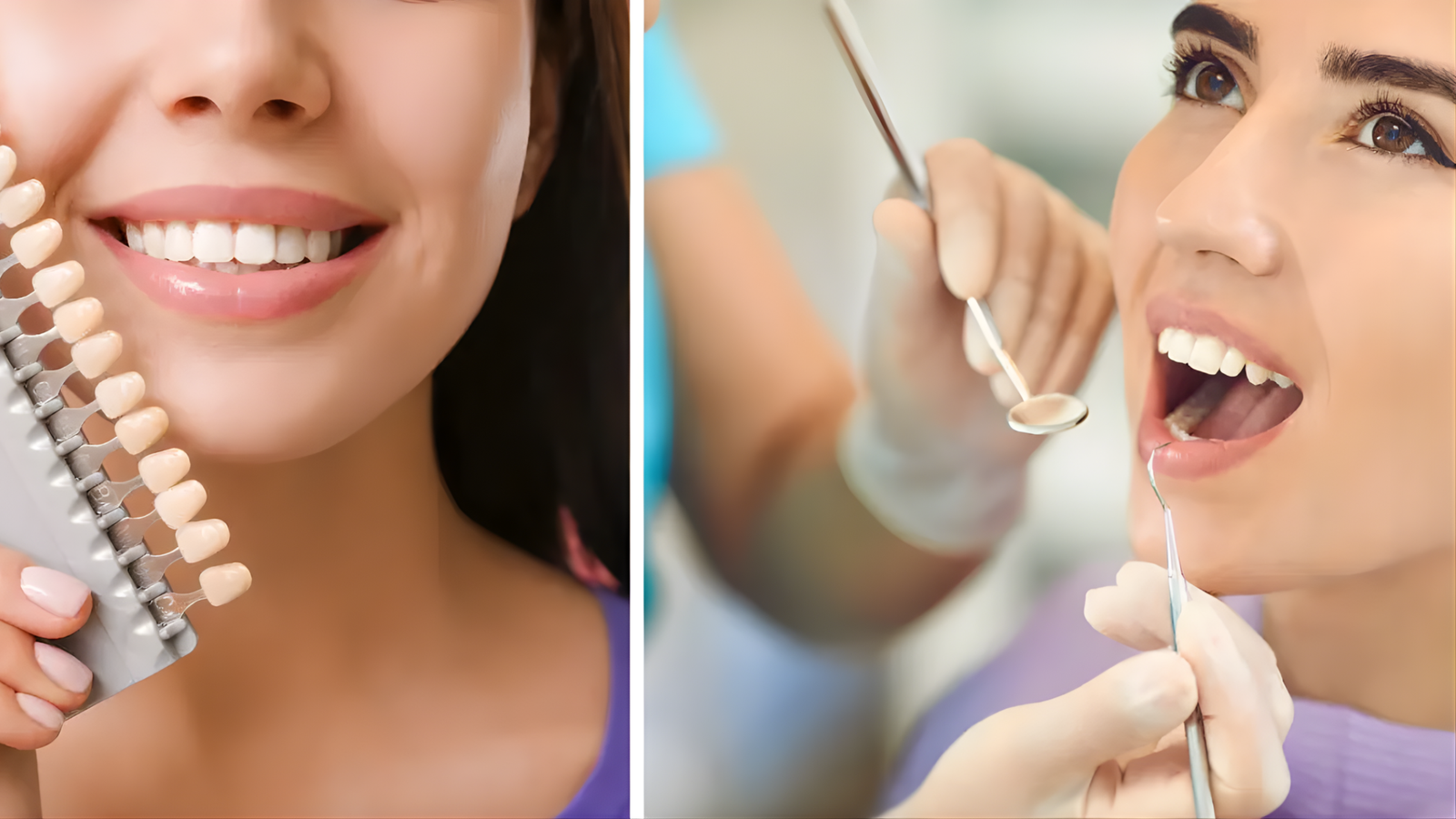
Dental veneers are ultra-thin, custom-crafted shells, typically made from porcelain or composite resin, that are bonded to the front surfaces of your teeth. Think of them as a precision cover: they conceal cosmetic imperfections without altering the underlying tooth structure significantly.
What Veneers Are Designed to Correct
Veneers are primarily a cosmetic solution, though they do offer minor protective benefits. They work particularly well for:
- Permanent tooth staining or discolouration that doesn’t respond to whitening
- Chipped or slightly cracked front teeth
- Mildly uneven, asymmetrical, or misshapen teeth
- Small gaps between teeth
- Teeth that are naturally short or worn down at the edges
- Minor alignment irregularities where orthodontics isn’t preferred
Because veneers only cover the front face of the tooth, they’re best suited for teeth that are structurally sound underneath. If the tooth has significant internal damage, decay, or requires protection from all sides, veneers alone won’t be sufficient.
How the Veneer Placement Process Works
Getting porcelain veneers typically takes two appointments. At the first visit, your dentist will remove a very thin layer of enamel from the front of the tooth, usually less than a millimetre, to ensure the veneer sits flush and looks natural. Impressions are taken, and temporary veneers may be placed while your permanent ones are being fabricated.
At the second appointment, the custom-made veneers are bonded to your teeth using dental cement and light-cured to create a secure, lasting bond.
How Long Do Veneers Last?
With proper care, regular brushing, flossing, and routine dental visits, porcelain veneers typically last between 10 and 15 years before needing replacement. Avoiding habits like nail biting, chewing ice, or grinding your teeth will significantly extend their lifespan.
What Are Dental Crowns and When Are They the Better Choice?
A dental crown is a tooth-shaped cap that fits entirely over the visible portion of a damaged or weakened tooth, from the chewing surface down to the gum line. Unlike veneers, crowns provide 360-degree coverage and are designed to both protect and restore teeth that are structurally compromised.
What Crowns Are Designed to Correct
Crowns serve a dual purpose: they restore appearance and provide genuine structural reinforcement. Your dentist may recommend a crown for:
- Teeth with large cavities or decay that can’t be addressed with a filling alone
- Cracked or fractured teeth that are at risk of breaking further
- Severely worn-down teeth due to grinding (bruxism)
- Teeth that have undergone root canal therapy and need protection
- Broken teeth where substantial tooth structure has been lost
- Supporting a dental bridge or topping a dental implant
- Teeth with cosmetic concerns too extensive for veneers
Crown Materials: Understanding Your Options
Crowns can be fabricated from several different materials, each with distinct advantages:
- Porcelain or ceramic crowns offer the most natural appearance and are ideal for front teeth, where aesthetics matter most
- Porcelain-fused-to-metal (PFM) crowns combine a metal base for strength with a porcelain exterior for aesthetics
- Zirconia crowns are increasingly popular due to their exceptional durability and tooth-like appearance
- Gold or metal alloy crowns are extremely strong and long-lasting, often used on back molars where chewing forces are greatest.
Your dentist will recommend the most appropriate material based on the location of the tooth, the extent of damage, your bite, and your cosmetic goals.
How Long Do Crowns Last?
Crowns are built to be durable. Most dental crowns last between 10 and 30 years, depending on the material used, the placement, and how well you maintain your oral hygiene. They are considered a permanent restorative procedure; while they may eventually need replacement, they are not temporary solutions.
Veneers vs. Crowns: A Side-by-Side Comparison
| Feature | Veneers | Crowns |
| Coverage | Front surface only | Entire visible tooth |
| Primary purpose | Cosmetic correction | Structural restoration + aesthetics |
| Tooth preparation required | Minimal (thin enamel removal) | More extensive reshaping |
| Best for | Healthy teeth with cosmetic flaws | Damaged, weakened, or heavily decayed teeth |
| Materials | Porcelain, composite resin | Porcelain, zirconia, PFM, metal |
| Average lifespan | 10–15 years | 10–30 years |
| Reversibility | Irreversible (enamel removed) | Irreversible |
| Used on front teeth | Yes, very commonly | Yes, when damage requires it |
| Used on back teeth | Rarely | Very commonly |
Which Treatment Is Right for You? Key Factors Your Dentist Will Consider
The choice between a veneer and a crown isn’t always straightforward, and in some cases, a patient may need both veneers on some teeth and crowns on others, depending on the extent of damage and the desired outcome. Here are the main factors that guide the decision:
1. The Severity of the Damage
If the tooth is cosmetically imperfect but structurally healthy, a veneer is usually the better option because it’s less invasive. If the tooth is cracked deep into its structure, decayed, or broken, a crown is the more appropriate and protective choice.
2. The Location of the Tooth
Front teeth are the most visible and often treated with veneers for cosmetic concerns. However, front teeth that are severely damaged may still require crowns. Back teeth, which bear the brunt of chewing forces, almost always benefit more from the full coverage and strength a crown provides.
3. How Much Natural Tooth Remains
Veneers require a solid, largely intact tooth structure to bond to. If significant tooth structure has been lost to decay, fracture, or previous dental work, a crown provides the support and protection needed.
4. Your Cosmetic Goals
If you’re primarily looking to change the colour, shape, or alignment appearance of otherwise healthy teeth, veneers offer beautiful, natural-looking results with less removal of tooth structure. If your goal involves repairing and protecting a compromised tooth while also improving its appearance, a crown accomplishes both.
Can Veneers and Crowns Be Combined?
Yes and this is more common than many patients realise. In cases involving multiple teeth with varying levels of damage or cosmetic concern, a treatment plan might include crowns on severely affected teeth and veneers on adjacent teeth that need only cosmetic improvement. When both are crafted from matching porcelain or ceramic, the result is a seamless, uniform smile that looks entirely natural.
Caring for Veneers and Crowns After Treatment
Both restorations are durable, but they do require consistent care:
- Brush twice daily with a non-abrasive fluoride toothpaste
- Floss daily, being gentle around the margins of veneers or crowns
- Avoid biting hard objects such as ice, pens, or hard candy
- Wear a night guard if you grind your teeth
- Attend routine dental check-ups every six months
- Avoid excessive consumption of staining foods and drinks if you have porcelain veneers, and cut back on smoking
Your dentist may also use professional-grade polishing tools that are safe for porcelain during your regular cleanings.
Frequently Asked Questions
Q: Are veneers or crowns more painful to get?
Neither procedure typically causes significant pain. Both are performed under local anaesthesia, so you won’t feel discomfort during the appointment itself. Some mild sensitivity around the treated tooth is normal for a few days afterwards, particularly with crowns where more tooth reshaping is involved.
Q: Can a crown be placed over a tooth that already has a veneer?
In some situations, yes. If a tooth that previously had a veneer sustains significant damage or decay over time, a crown may become necessary. Your dentist will assess whether the remaining tooth structure can support a crown.
Q: Will my veneers or crown look different from my natural teeth?
Modern porcelain and ceramic restorations are designed to closely mimic the light-reflecting properties of natural enamel. When properly matched to your surrounding teeth, both veneers and crowns are virtually indistinguishable from your natural smile.
Q: Does insurance typically cover veneers or crowns?
Dental crowns placed for restorative reasons (repairing decay, fracture, or post-root canal protection) are often at least partially covered by dental insurance. Veneers, being primarily cosmetic, are usually not covered. It’s worth contacting your insurance provider and your dental office for a clear breakdown of costs before proceeding.
Q: How do I know whether I need a veneer or a crown without seeing a dentist?
You can’t determine this on your own, and that’s entirely normal. A dentist will take X-rays, examine the tooth clinically, assess the extent of any damage or decay, and discuss your cosmetic goals before recommending a treatment. The best first step is always a consultation.
Making the Right Decision for Your Smile in Lehigh Valley
Both veneers and crowns are excellent, time-tested solutions; the key lies in matching the right treatment to the right tooth and the right patient. Veneers are a minimally invasive, cosmetically powerful option for teeth that are fundamentally healthy but aesthetically imperfect. Crowns are the go-to choice when a tooth needs structural support and full coverage, along with cosmetic restoration.
At Extraordinary Smiles in Schnecksville, serving patients throughout the Lehigh Valley area, Dr Ladani and his team take the time to understand each patient’s dental history, goals, and concerns before recommending any treatment. With a focus on modern dental technology and genuinely personalised care, you’ll receive a clear explanation of your options and a treatment plan built around what’s best for your long-term oral health.
If you’re considering veneers, a crown, or simply want to explore your smile improvement options, contact Extraordinary Smiles at (610) 799-0600 or visit Extraordinary Smiles to schedule your consultation.