
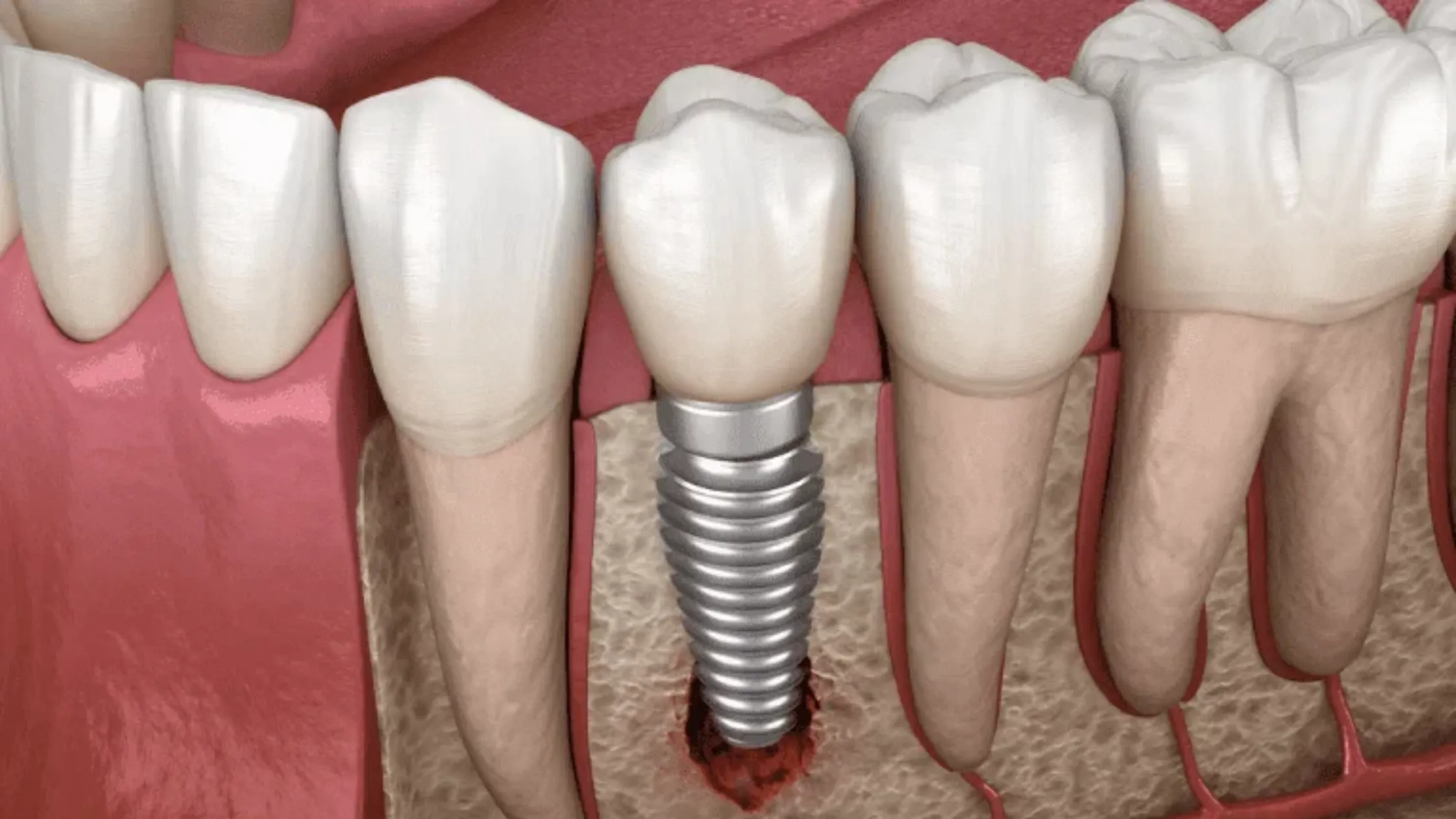
Dental implants are one of the most reliable and long-lasting solutions for missing teeth but what happens when complications arise?
If you’re considering implants or already have them, understanding potential risks can make the difference between long-term success and costly problems.
At Extraordinary Smiles in Lehigh Valley, we believe informed patients make confident decisions. That’s why we educate our patients about dental implant complications in Lehigh Valley, how they occur, and most importantly how to prevent them. With the right planning, care, and professional guidance, dental implants can last decades and dramatically improve your quality of life.
Understanding Dental Implant Complications
Dental implant complications are issues that may occur before, during, or after implant placement. While implants have a success rate of over 95%, problems can arise without proper evaluation, technique, or aftercare.
Common implant-related concerns include infection, implant loosening, or discomfort that doesn’t improve over time. The good news? Most complications are preventable when addressed early and managed by an experienced dental team.
Common Dental Implant Complications
1. Infection Around the Implant (Peri-Implantitis)
Peri-implantitis is an inflammatory condition caused by bacterial buildup around the implant.
Signs include:
- Red or swollen gums
- Bleeding around the implant
- Persistent bad breath
- Bone loss around the implant
Without treatment, infection can compromise implant stability.
2. Implant Loosening or Failure
Implant failure may occur if the implant doesn’t properly fuse with the jawbone (a process called osseointegration).
Risk factors include:
- Smoking
- Poor bone density
- Uncontrolled diabetes
- Excessive bite pressure
Early diagnosis significantly improves outcomes.
3. Nerve or Sinus Issues
Improper implant placement can irritate nearby nerves or sinuses, especially in the upper jaw.
Possible symptoms:
- Tingling or numbness
- Sinus pressure or congestion
- Facial discomfort
Advanced 3D imaging at Extraordinary Smiles minimizes these risks.
4. Gum Recession Around Implants
Thin or unhealthy gum tissue may recede over time, exposing the implant and affecting appearance and hygiene.
How to Avoid Implant Problems: Expert Prevention Tips
Choose an Experienced Implant Dentist
The most important factor in preventing complications is expertise. At Extraordinary Smiles, implant placement is guided by advanced diagnostics, digital planning, and years of clinical experience.
Commit to Proper Dental Implant Aftercare
Long-term implant success depends on daily habits.
Essential aftercare tips:
- Brush twice daily with a soft toothbrush
- Floss around implants using implant-safe floss
- Avoid smoking and excessive alcohol
- Attend regular dental checkups
Good oral hygiene protects both implants and surrounding bone.
Follow a Personalized Treatment Plan
No two patients are alike. Bone density, bite alignment, and medical history all affect implant success. Customized treatment planning dramatically reduces complications.
Manage Health Conditions Proactively
Conditions like diabetes or gum disease don’t disqualify you from implants but they must be controlled to prevent complications.
Why Early Monitoring Matters
Many implant complications develop silently. Routine follow-ups allow your dentist to detect early warning signs before they become serious or expensive.
At Extraordinary Smiles, we emphasize preventive monitoring, helping patients protect their investment and maintain peace of mind.
Psychological Benefits of Preventing Implant Complications
Avoiding complications isn’t just about oral health it’s about confidence, comfort, and freedom.
When implants are healthy:
- You eat without fear
- Smile without hesitation
- Avoid unexpected dental costs
- Enjoy long-term stability
Peace of mind is one of the most overlooked benefits of proper implant care.
FAQs About Dental Implant Complications
What are dental implant complications?
Dental implant complications include infection, implant loosening, nerve irritation, or gum issues that affect implant stability or comfort.
How common are implant complications?
They are rare when implants are placed by experienced professionals and properly maintained. Most issues are preventable.
Can failed implants be fixed?
Yes, in many cases. Early detection allows for corrective treatments such as bone grafting or implant replacement.
How much does it cost to fix implant complications?
Costs vary based on severity. Preventive care is always more affordable than corrective treatment.
How long do dental implants last?
With proper care, implants can last 20 years or more often a lifetime.
Trusted Care in Lehigh Valley, Pennsylvania
Patients across Lehigh Valley and nearby communities trust Extraordinary Smiles for advanced implant care, personalized treatment, and long-term results. Our patient-first approach ensures comfort, safety, and confidence at every step.
For additional education, you can explore resources from the American Dental Association (ADA) on oral health and implant care.
Take the Next Step with Confidence
Dental implants are a powerful investment in your health but success depends on expert care and informed decisions.
Ready to protect your smile for the long term?
📞 Call Extraordinary Smiles at (610) 799-0600 or Schedule your consultation online today to learn how expert implant care can help you avoid complications and enjoy lifelong results.