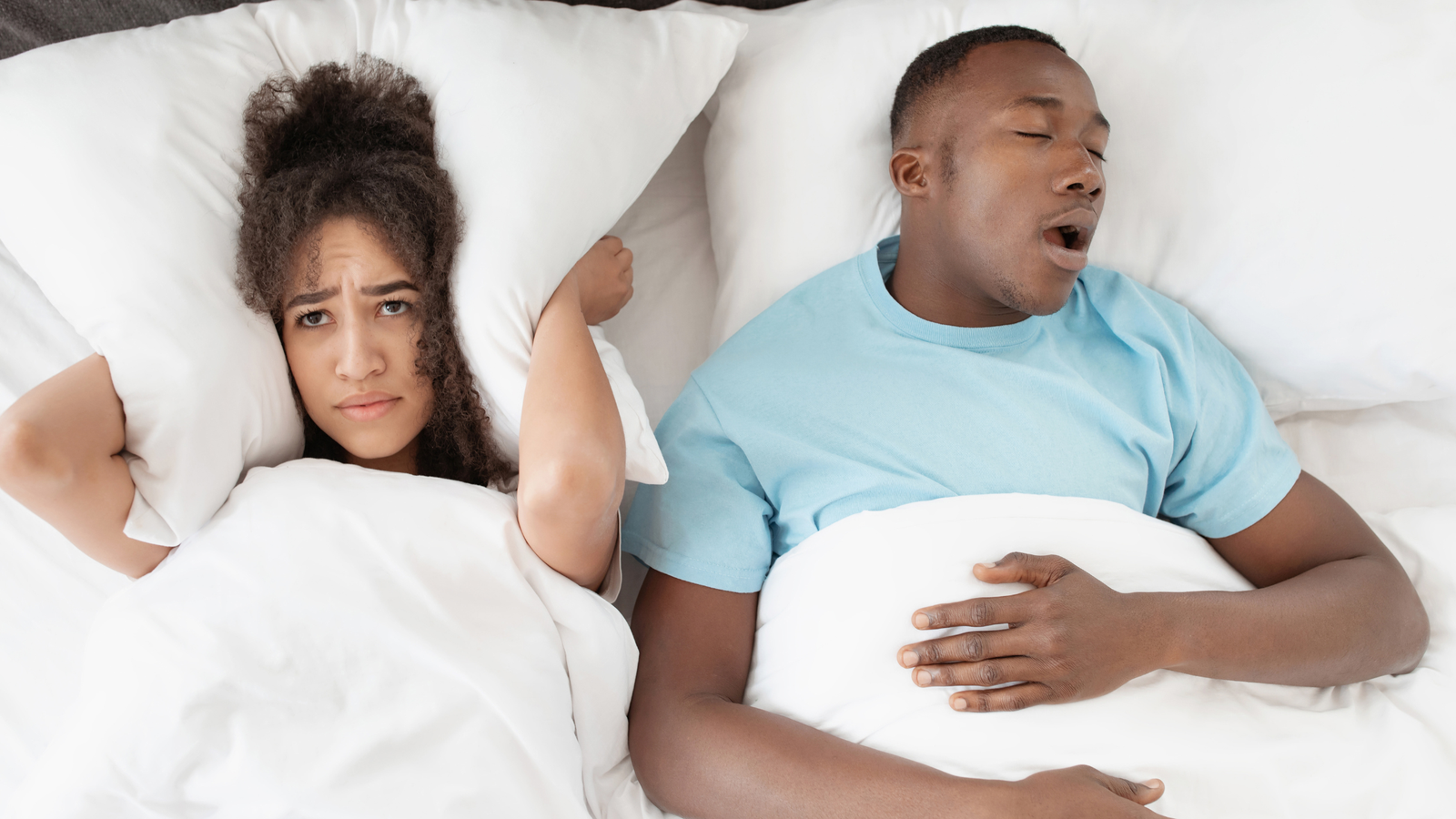
Most people think of sleep apnea as a snoring problem. It is much more than that. Sleep apnea is a medical condition where your breathing repeatedly stops and starts during sleep – sometimes hundreds of times per night – and it is connected to serious health risks, including high blood pressure, heart disease, and stroke.
What surprises many people in the Lehigh Valley is that their dentist can help diagnose and treat sleep apnea. If you have been told you snore loudly, wake up exhausted, or feel foggy during the day, this guide is for you.
What Is Sleep Apnea and Why Does It Matter?
Obstructive sleep apnea (OSA) is the most common type. It happens when the muscles at the back of your throat relax too much during sleep, causing the airway to collapse or become blocked. When your airway closes, your body briefly wakes itself up to reopen it – often so briefly that you have no memory of waking at all.
The problem is that this cycle can repeat 5, 30, or even 60 times per hour. Your body never reaches the deep, restorative stages of sleep it needs. Over months and years, that sleep debt compounds into serious health consequences.
Many people with sleep apnea go undiagnosed for years because they do not realize their restlessness at night is a medical issue. They just know they wake up tired.
Common Signs and Symptoms of Sleep Apnea
You do not need to feel like you are choking in your sleep to have sleep apnea. Many symptoms show up during the day. Common signs include:
- Loud, persistent snoring (often reported by a partner)
- Waking with a dry mouth or sore throat
- Morning headaches
- Difficulty concentrating or remembering things during the day
- Feeling irritable, anxious, or depressed without a clear cause
- Waking frequently to use the bathroom at night
- Falling asleep unintentionally during quiet activities
- High blood pressure that is difficult to control
If several of these sound familiar, a conversation with Dr. Ladani at Extraordinary Smiles in Schnecksville is a good starting point. You do not need to go to a sleep specialist first.
How Your Dentist Can Screen for Sleep Apnea
Dentists are often the first healthcare providers to spot signs of sleep apnea because they see the mouth up close. During a routine exam, Dr. Sandip Ladani looks for physical signs that suggest airway issues, including:
- A small jaw or tongue that sits far back in the mouth
- Worn tooth surfaces from nighttime grinding (bruxism often accompanies sleep apnea)
- Scalloped edges on the sides of the tongue, suggesting it presses against the teeth during sleep
- Redness or irritation at the back of the throat
- Enlarged tonsils or a low-hanging soft palate
If Dr. Ladani sees signs that suggest sleep apnea, he will discuss next steps with you. In many cases, a home sleep study can be arranged – far more convenient than an overnight stay at a sleep lab – to confirm the diagnosis.
Waking up tired every morning is not just inconvenient. It may be a sign of something treatable. Call Extraordinary Smiles in Schnecksville at (610) 799-0600 to discuss your symptoms.
Oral Appliance Therapy: The Dental Treatment for Sleep Apnea
Once sleep apnea is diagnosed, the most well-known treatment is a CPAP machine – a device worn over the nose and mouth that pushes a continuous stream of air to keep the airway open. CPAP is effective, but many patients find it uncomfortable, noisy, or difficult to travel with. A significant number of people who are prescribed CPAP stop using it within a year.
This is where dental oral appliance therapy comes in. An oral appliance is a custom-fitted mouthguard-like device worn during sleep. It works by gently repositioning the lower jaw forward, which keeps the airway open and prevents the soft tissue collapse that causes obstructive sleep apnea.
For mild to moderate sleep apnea, oral appliance therapy is recognized by the American Academy of Sleep Medicine as a first-line treatment. For patients who cannot tolerate CPAP, it is recommended even for more severe cases.
At Extraordinary Smiles, Dr. Ladani designs custom oral appliances that fit precisely and comfortably. Unlike over-the-counter mouthguards sold online, a properly fitted dental appliance is adjusted over several visits to find the exact jaw position that opens the airway most effectively.
What to Expect During Treatment at Our Schnecksville Office
Starting sleep apnea treatment with Dr. Ladani involves a few straightforward steps:
- An initial consultation to review your symptoms and examine your mouth and airway
- A referral for a home or lab sleep study if one has not been completed
- Impressions or digital scans of your teeth to fabricate the custom appliance
- A fitting appointment and instructions for use and care
- Follow-up visits to fine-tune the fit and confirm the appliance is working
Most patients notice a significant improvement in sleep quality within the first few weeks. Many partners report that the snoring stops almost immediately.
Snoring vs. Sleep Apnea: Is There a Difference?
Not all snoring means sleep apnea – but nearly all sleep apnea involves snoring. Simple snoring (without the breathing pauses of apnea) is caused by vibration of the throat tissues during sleep. It can be disruptive to partners but does not carry the same health risks as true apnea.
The way to tell the difference is through a sleep study. However, if your snoring is accompanied by gasping, choking sounds, or any of the daytime symptoms listed earlier, the likelihood of obstructive sleep apnea is high.
Oral appliances are also effective for primary snoring without apnea. If your snoring is affecting your relationship or your sleep quality, it is worth addressing, regardless of whether a formal apnea diagnosis is made.
Frequently Asked Questions About Sleep Apnea and Dental Treatment in the Lehigh Valley
Can a dentist actually treat sleep apnea?
Yes. Dentists trained in dental sleep medicine can provide oral appliance therapy, which is an FDA-approved treatment for obstructive sleep apnea. Dr. Ladani at Extraordinary Smiles offers this treatment to patients across Schnecksville and the Lehigh Valley.
Does insurance cover oral appliance therapy for sleep apnea?
Many medical insurance plans (not just dental) cover oral appliances for sleep apnea when a formal diagnosis is in place. The team at Extraordinary Smiles can help you check your coverage before starting treatment.
How is a dental oral appliance different from a night guard?
A night guard protects against teeth grinding and does not reposition the jaw. A sleep apnea oral appliance is specifically designed to move the lower jaw forward and open the airway. They look similar but serve different functions.
What if I already have a CPAP and do not use it?
You are not alone. Many of our patients come to us after struggling with CPAP compliance. An oral appliance is a recognized alternative and, for many patients, a far more comfortable long-term solution.
How do I get started?
Call our Schnecksville office at (610) 799-0600 to schedule a sleep apnea consultation. Dr. Ladani will review your symptoms and guide you through the next steps.
To schedule a sleep apnea consultation, call Extraordinary Smiles in Schnecksville, PA, at (610) 799-0600 or visit www.extraordinarysmiles.net Dr. Sandip Ladani proudly serves patients from Schnecksville, Orefield, Germansville, Whitehall, New Tripoli, and all of the Lehigh Valley.