
If you need to have a tooth removed, you may already be thinking about what comes next.
For many patients, the question is not simply how to remove a damaged tooth. It is how to replace it afterward.
Dental implants after tooth extraction can be an option for some patients. In certain situations, an implant may even be placed during the same appointment as the extraction. However, immediate implant placement is not appropriate for everyone.
The right approach depends on the condition of the tooth, surrounding bone and gum tissue, your overall oral health, and the type of restoration planned.
For patients in Schnecksville and the Lehigh Valley, understanding the possible treatment pathways can help you have a more informed conversation with your dentist.
What Happens After a Tooth Is Removed?
When a tooth is extracted, the body begins healing the area.
The empty space can change over time as the bone remodels. This is one reason your dentist may discuss tooth replacement before or shortly after an extraction.
Leaving a missing tooth untreated may also affect chewing, appearance, and the position of neighboring teeth depending on where the tooth was located.
Tooth replacement options can include:
· Dental implants
· Implant-supported bridges
· Traditional bridges
· Partial dentures
The appropriate choice depends on your individual situation.
Can an Implant Be Placed Immediately After Extraction?
Sometimes.
An immediate dental implant is placed during the same appointment as the extraction.
The advantage of this approach is that tooth removal and implant placement can potentially be combined into one treatment stage.
However, immediate placement requires careful case selection.
The dentist must evaluate the tooth, surrounding bone, gum tissue, infection or inflammation, and other clinical factors before determining whether immediate implant placement is appropriate.
Extraordinary Smiles offers immediate implant treatment for appropriate candidates.
That does not mean every extracted tooth should receive an implant immediately. Your dentist must evaluate the individual circumstances first.
Why Can’t Everyone Get an Immediate Implant?
An immediate implant requires suitable conditions around the extraction site.
Several factors can affect the decision, including:
Condition of the Jawbone
The implant needs adequate supporting bone.
If there has been significant bone loss, additional treatment may be necessary before implant placement.
Gum and Tissue Health
The condition of the surrounding tissues can affect treatment planning.
Your dentist will evaluate the area around the tooth and determine whether immediate placement is appropriate.
Infection or Inflammation
A tooth may need to be extracted because of infection or significant damage.
The presence and extent of infection can influence whether an implant should be placed immediately or whether the area should be allowed to heal first.
Overall Oral Health
Your dentist will consider your overall dental condition, oral hygiene, gum health, and other factors before recommending implant treatment.
What If I Can’t Get an Implant Immediately?
Not being a candidate for an immediate implant does not necessarily mean you cannot receive an implant later.
In some cases, the dentist may recommend allowing the extraction area to heal before implant placement.
Depending on the condition of the site, additional procedures may also be considered.
Once the area has healed sufficiently, your dentist can reassess the site and determine whether implant placement is appropriate.
The timeline varies from patient to patient.
Why Replace a Missing Tooth With an Implant?
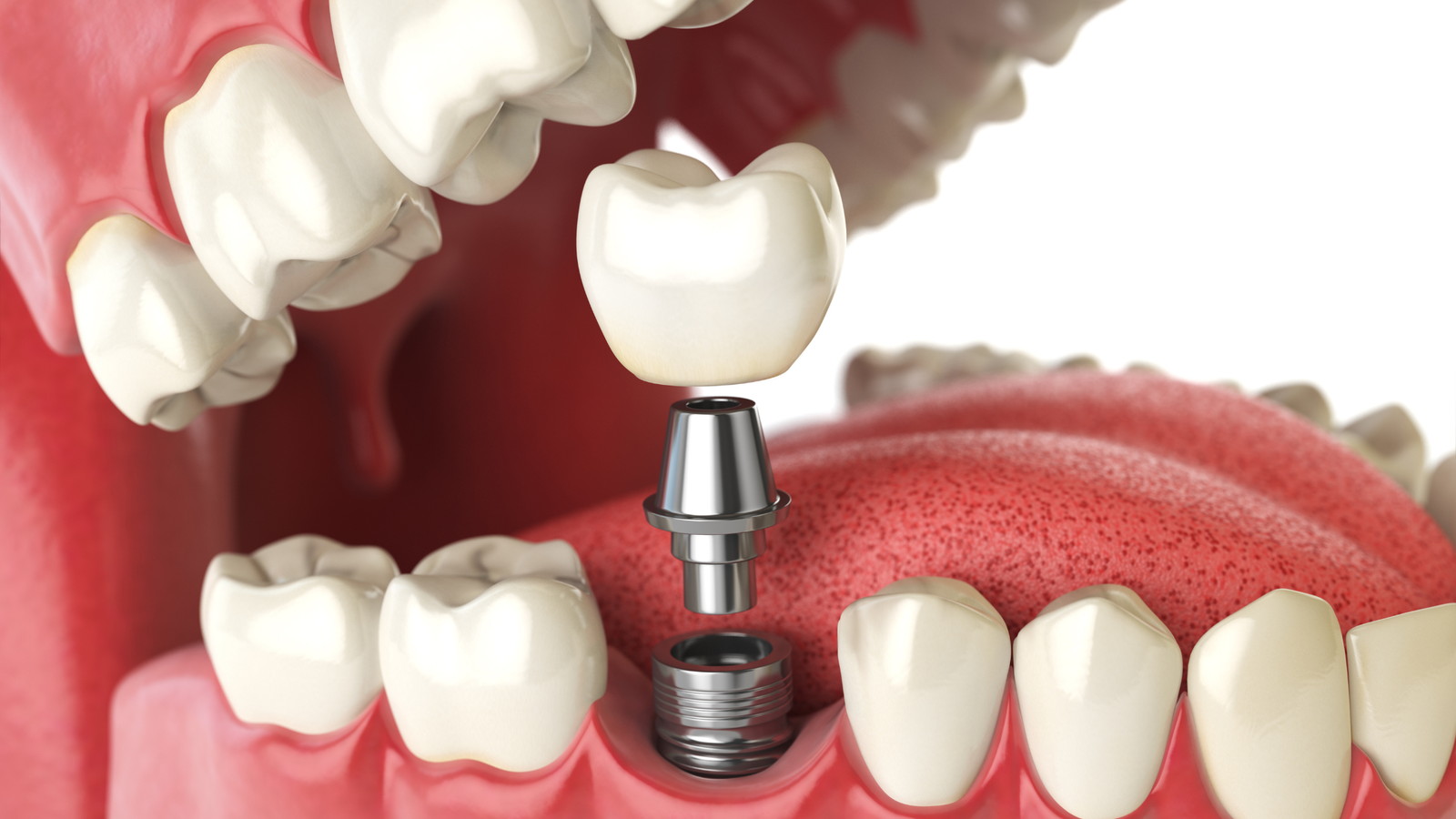
A dental implant is designed to replace the root portion of a missing tooth and support a restoration.
For a single missing tooth, an implant may support a custom crown.
For multiple missing teeth, implants can support bridges or dentures.
For patients with extensive tooth loss, full-arch solutions such as All-on-4 may be considered.
The goal is to select a treatment that restores function and fits your oral health and long-term needs.
What Happens During Dental Implant Treatment?
The exact sequence varies, but implant treatment generally involves several stages.
Step 1: Examination and Treatment Planning
Your dentist evaluates the extraction site, surrounding teeth, gums, and supporting bone.
Imaging may be used to help assess your anatomy and plan treatment.
Step 2: Tooth Extraction
If the tooth is still present, it is removed.
Depending on your individual circumstances, implant placement may occur at the same appointment or at a later stage.
Step 3: Implant Placement
The dental implant is positioned in the jawbone when the site is suitable for placement.
Step 4: Healing
The implant needs time to heal and integrate with the surrounding bone.
The exact healing period varies based on the patient and treatment.
Step 5: Restoration
After the implant has adequately healed, a restoration such as a crown, bridge, or denture can be placed.
The restoration provides the visible replacement tooth or teeth.
What If I Am Missing More Than One Tooth?
If multiple teeth have been removed, you may have several treatment options.
Depending on the number and location of missing teeth, your dentist may discuss:
· Multiple dental implants
· Implant-supported bridges
· Traditional partial dentures
· Full-arch implant solutions
You do not necessarily need one implant for every missing tooth.
The treatment plan should be based on your individual anatomy, number of missing teeth, restoration requirements, and treatment goals.
What About All-on-4 After Tooth Loss?
If you have lost most or all of the teeth in an arch, your dentist may discuss full-arch implant treatment.
All-on-4 dental implants use four strategically placed implants to support a complete arch of replacement teeth.
This is different from replacing a single extracted tooth with one implant and crown.
Extraordinary Smiles offers All-on-4 treatment and provides a dedicated resource for patients considering full-arch tooth replacement.
If you have extensive tooth loss, ask whether All-on-4 or implant-supported dentures may be appropriate for you.
Does Tooth Extraction Always Mean You Need an Implant?
No.
Dental implants are one tooth-replacement option, not an automatic requirement after extraction.
Depending on your situation, your dentist may discuss alternatives such as:
· Traditional bridges
· Partial dentures
· Dental implants
Your oral health, treatment goals, budget, and clinical circumstances all matter.
How Much Do Dental Implants Cost After an Extraction?
The cost of replacing a tooth after extraction varies from patient to patient.
Factors can include:
· Number of teeth being replaced
· Type of restoration
· Condition of the bone and gums
· Additional procedures
· Imaging and planning
· Implant placement
· Final restoration
For this reason, online prices should not be treated as a personalized estimate.
Extraordinary Smiles provides implant financing information to help eligible patients understand options for managing the investment in treatment.
What Should You Ask Before Your Tooth Is Removed?
If you are scheduled for an extraction and may want an implant later, ask your dentist about tooth replacement before the extraction whenever possible.
Useful questions include:
· Am I a candidate for an immediate implant?
· Will the extraction affect my future implant options?
· Do I need bone preservation or another procedure?
· Should I replace the tooth immediately or later?
· What alternatives are available?
· What type of restoration would I need?
· How long could the complete process take?
· What will my treatment cost?
· Are financing options available?
Planning ahead can help you understand your options before the tooth is removed.
Dental Implants After Tooth Extraction in Schnecksville, PA
If you are facing a tooth extraction, you do not necessarily have to wait until afterward to think about replacement.
Extraordinary Smiles in Schnecksville provides dental implant treatment, immediate implants, implant restoration, implant-supported dentures, and All-on-4 treatment for appropriate patients.
A consultation can help determine whether an implant can be placed immediately or whether a different treatment sequence would be more appropriate.
If you are planning an extraction and want to understand your tooth-replacement options, consider discussing dental implants with the team at Extraordinary Smiles before treatment.
Frequently Asked Questions
Can I get a dental implant immediately after tooth extraction?
Some patients may be candidates for immediate implant placement during the same appointment as extraction. However, suitability depends on factors such as bone, gum tissue, infection, and the condition of the extraction site.
How long after extraction can I get a dental implant?
The timing varies. Some patients may receive an implant immediately, while others may need to wait for the extraction area to heal or undergo additional treatment before placement.
What happens if I wait too long after extraction?
The jawbone can change after tooth loss. Your dentist can evaluate the extraction area and determine what treatment may be appropriate if you have been missing the tooth for an extended period.
Can an infected tooth be replaced with an implant?
It depends on the individual clinical situation. Infection and the condition of the surrounding tissues can affect whether immediate implant placement is appropriate. Your dentist should evaluate the area before recommending treatment.
Can I get an implant after having a tooth removed years ago?
Potentially. The amount and condition of available bone will need to be evaluated. Depending on the situation, additional treatment may be recommended before implant placement.