
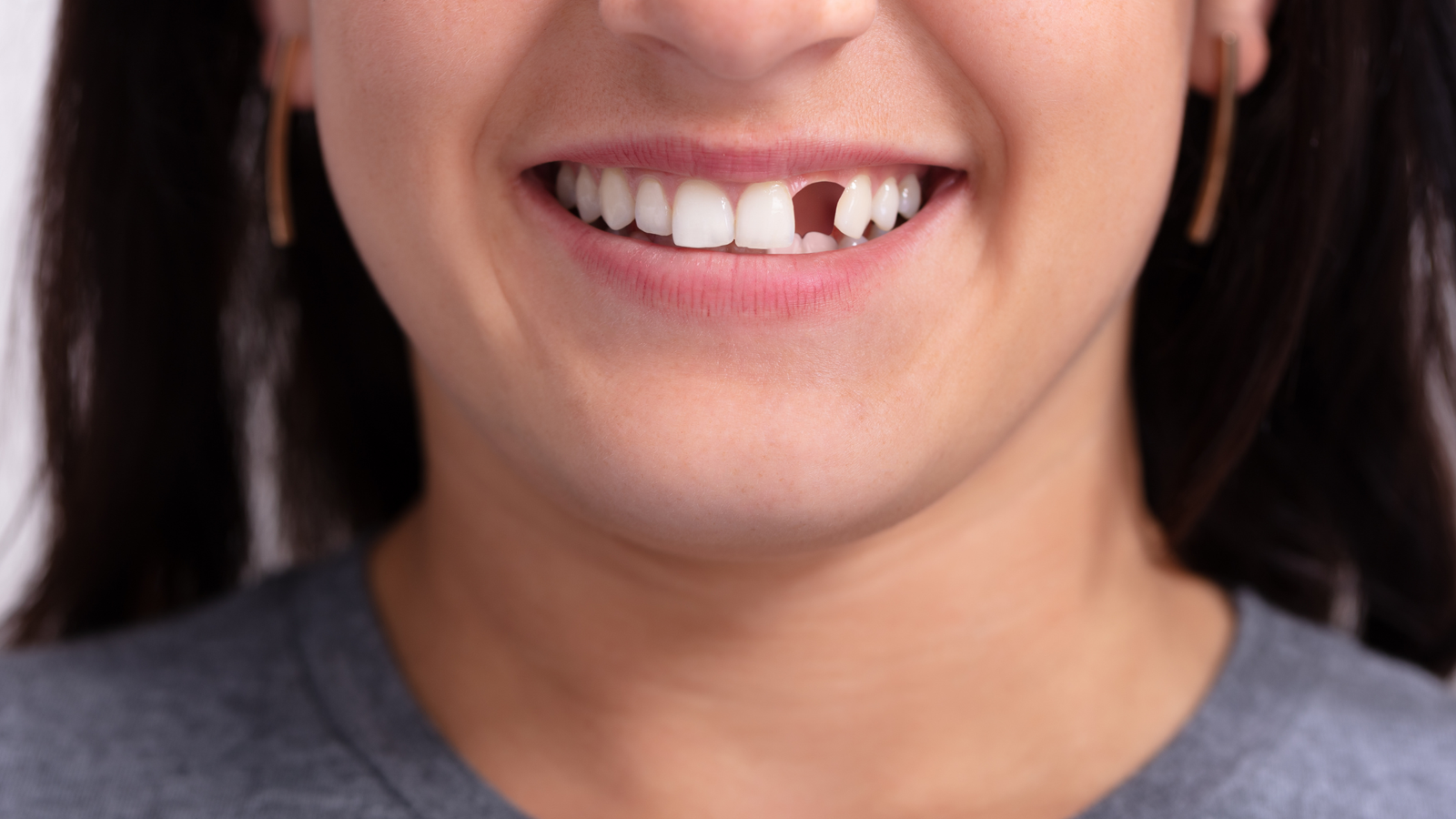
Dental Implants for Multiple Missing Teeth: What Are Your Options?
Losing several teeth can affect much more than your smile. Missing teeth can make chewing more difficult, change how your remaining teeth come together, and make everyday activities such as speaking and eating less comfortable.
If you have multiple missing teeth, you may be wondering whether you need a separate dental implant for every missing tooth.
Not necessarily.
Depending on the number and location of your missing teeth, your oral health, available bone, and treatment goals, your dentist may discuss several solutions, including multiple individual implants, implant-supported bridges, implant dentures, or full-arch treatment.
For patients in Schnecksville and the surrounding Lehigh Valley, understanding these options can help you prepare for an informed conversation about tooth replacement.
What Happens When You Lose Multiple Teeth?
Teeth play an important role in chewing and maintaining the overall structure of your mouth.
When multiple teeth are missing, you may notice:
· Difficulty chewing certain foods
· Changes in your bite
· Gaps in your smile
· Difficulty speaking comfortably
· Increased dependence on remaining teeth
· Changes in the appearance of your smile
The effects depend on which teeth are missing and how many have been lost.
The sooner you discuss tooth replacement with a dentist, the sooner you can understand which options may be appropriate for your situation.
Do You Need One Dental Implant for Every Missing Tooth?
No.
One of the most common misconceptions about dental implants is that every missing tooth automatically requires an individual implant.
In reality, implants can sometimes be used strategically to support multiple replacement teeth.
For example, if several neighboring teeth are missing, an implant-supported bridge may replace multiple teeth using fewer implants than replacing every tooth individually.
For patients with extensive tooth loss, implant-supported dentures or full-arch implant solutions may be considered.
The right approach depends on your individual anatomy and treatment plan.
Option 1: Multiple Individual Dental Implants
When several teeth are missing in different areas of the mouth, your dentist may recommend individual implants.
An implant can support a custom crown designed to replace one missing tooth.
This approach may be appropriate when:
· Teeth are missing in separate areas
· The surrounding teeth are healthy
· You want individual tooth replacement
· Your bone and gum health support implant placement
Individual implants can provide independent support for each restoration.
However, placing multiple implants is not always necessary or appropriate, so your dentist should evaluate the complete picture before recommending this approach.
Option 2: Implant-Supported Bridge
An implant-supported bridge can replace several adjacent missing teeth.
Instead of placing an implant for every missing tooth, strategically positioned implants can support a bridge containing multiple replacement teeth.
This may be an option when several neighboring teeth are missing.
The final treatment depends on the location of the missing teeth, available bone, bite, gum health, and other factors.
Option 3: Implant-Supported Dentures
Patients who are missing many teeth may be candidates for implant-supported dentures.
Traditional dentures rest primarily on the gums and are removable.
Implant-supported dentures use dental implants to provide additional support for the denture.
This can be particularly useful for patients who want a removable tooth replacement option with implant support.
Extraordinary Smiles offers implant denture treatment as part of its tooth-replacement services.
Option 4: All-on-4 Dental Implants
If you are missing most or all of the teeth in an arch, you may hear about All-on-4 dental implants.
All-on-4 is a full-arch treatment approach that uses four strategically placed implants to support a complete arch of replacement teeth.
It is not the same as placing individual implants for every missing tooth.
This approach may be considered for patients with extensive tooth loss, depending on their individual clinical situation.
Extraordinary Smiles offers All-on-4 treatment for appropriate candidates.
Which Option Is Best for Multiple Missing Teeth?
There is no single answer.
Your dentist may consider:
Number of missing teeth
Replacing two adjacent teeth may require a very different approach than replacing most of the teeth in an arch.
Location of missing teeth
The position of the gaps can affect the treatment design.
Jawbone condition
Adequate bone is important for implant placement. Bone loss may affect the treatment approach.
Gum health
Healthy supporting tissues are important when planning implant treatment.
Condition of remaining teeth
Your remaining teeth may influence whether an implant-supported bridge, individual implants, or another treatment is appropriate.
Your treatment goals
Some patients prioritize a fixed restoration. Others may prefer a removable solution.
Budget and financing
Your financial circumstances are also part of the treatment discussion.
Extraordinary Smiles offers implant financing information for patients exploring implant treatment.
What If You Have Bone Loss?
Bone loss does not automatically mean that dental implants are impossible.
However, it may affect your treatment plan.
Your dentist may use diagnostic imaging to evaluate the available bone and determine whether additional procedures are needed.
Extraordinary Smiles uses 3D imaging as part of implant planning.
If additional treatment is required, your dentist can explain the purpose, expected sequence, and financial considerations before you proceed.
How Long Does Treatment Take?
Treatment time varies depending on the number of missing teeth and the approach selected.
Some patients may be candidates for immediate implant placement after extraction, while others may need healing or preparatory treatment first.
Implants also require time to heal before the final restoration is placed.
A simple case involving one missing tooth may have a very different timeline from full-arch implant treatment.
Your dentist can provide a more meaningful estimate after examining your mouth and developing a treatment plan.
How Much Do Dental Implants for Multiple Missing Teeth Cost?
There is no universal price for replacing multiple missing teeth with implants.
The total investment can depend on:
· Number of implants
· Type of restoration
· Number of missing teeth
· Bone and gum health
· Additional procedures
· Imaging
· Temporary restorations
· Final restoration
· Full-arch vs. individual tooth replacement
This is why online implant pricing should be treated as general information rather than a personalized estimate.
If you are comparing treatment plans, ask what the quoted price includes.
Dental Implants vs. Dentures for Multiple Missing Teeth
Both options can replace multiple missing teeth, but they work differently.
Traditional dentures are removable and rest on the gums.
Dental implants are anchored in the jawbone and can support individual restorations, bridges, or dentures.
Implant-supported dentures combine aspects of both approaches.
The right choice depends on your clinical needs, preferences, and goals.
Rather than choosing based on price alone, ask your dentist about the expected function, maintenance, treatment process, and long-term considerations of each option.
Questions to Ask Your Dentist
If you are considering dental implants for multiple missing teeth, ask:
How many teeth should I replace?Do I need an implant for every missing tooth?Could an implant-supported bridge work for me?Am I a candidate for implant-supported dentures?Would All-on-4 be an option?Do I have enough bone for implants?Will I need additional treatment?How long could treatment take?What will the complete treatment cost?- What financing options are available?
These questions can help you understand the reasoning behind your treatment plan.
Dental Implants for Multiple Missing Teeth in Schnecksville, PA
Multiple missing teeth do not necessarily mean you need multiple individual implants.
Depending on your needs, treatment may include individual implants, implant-supported bridges, implant dentures, or full-arch solutions such as All-on-4.
Extraordinary Smiles in Schnecksville offers several implant treatment options for appropriate patients in the Lehigh Valley.
A consultation can help determine which approach fits your oral health, tooth loss, goals, and budget.
If you are ready to explore your options, consider discussing multiple-tooth replacement with the Extraordinary Smiles team.
Frequently Asked Questions
Can dental implants replace multiple missing teeth?
Yes. Depending on your situation, multiple missing teeth may be replaced using individual implants, an implant-supported bridge, implant-supported dentures, or full-arch treatment.
Do I need an implant for every missing tooth?
Not necessarily. Strategically placed implants can sometimes support bridges or dentures that replace several missing teeth.
Can I get dental implants if I have several missing teeth?
Potentially. Your dentist will need to evaluate your gums, bone, remaining teeth, overall oral health, and treatment goals.
Is All-on-4 the same as multiple dental implants?
No. All-on-4 is a full-arch treatment approach using four strategically positioned implants to support a complete arch of replacement teeth.
What is the best option for multiple missing teeth?
There is no single best option for everyone. Your dentist can compare individual implants, bridges, implant dentures, All-on-4, and conventional tooth replacement based on your specific needs.